

SPEAKERS
KEYNOTE SPEAKERS

Giuseppe Barca
Monash University, Melbourne, Australia
Prof. Giuseppe M. J. Barca is Professor of Quantum Medicinal Chemistry at Monash University in Melbourne, where he leads cutting edge research combining quantum chemistry, high-performance computing and artificial intelligence for drug discovery. He is widely recognised for pioneering GPU accelerated electronic structure methods and pushing quantum chemistry to exascale regimes.
Barca and his collaborators have set world records for large-scale wavefunction-based simulations and delivered quantum accurate biomolecular modelling on some of the world’s fastest supercomputers. His work has been recognised with major international distinctions, including the ACM Gordon Bell Prize and the WATOC Dirac Medal, underscoring his impact on both fundamental theory and real world applications in pharmaceutical science.

Alexandre Bonvin
Utrecht University, Netherlands
Prof. Alexandre M. J. J. Bonvin is Professor of Computational Structural Biology at Utrecht University and former Scientific Director of the Bijvoet Centre for Biomolecular Research. Trained as a chemist in Lausanne and Utrecht, with postdoctoral stays at Yale University and ETH Zürich, he has been a central figure in European structural and computational biology for more than two decades.
His group develops integrative modelling approaches to predict and dissect biomolecular interactions at atomic resolution, combining bioinformatics, NMR, cryo EM, SAXS and other experimental data with advanced computational methods. A flagship outcome is HADDOCK, a widely used information driven docking platform that has become a reference tool for modelling protein–protein and other biomolecular complexes and continues to evolve in its latest modular incarnation, HADDOCK3, for post AlphaFold integrative modelling.
Through initiatives such as WeNMR and collaborations within European e infrastructure and BioExcel Centres of Excellence, Prof. Bonvin has been instrumental in making state of the art computational structural biology tools available to the global community, enabling applications from basic mechanistic studies to rational drug design.

Andrea Cavalli
EPFL, Switerzland
Prof. Andrea Cavalli is a leading figure in computational chemistry and drug discovery, serving as Director of CECAM and Professor at EPFL. After a PhD in Pharmaceutical Sciences in Bologna and postdoctoral work at SISSA and ETH Zürich, he built a career at the interface of molecular modelling, biophysics and medicinal chemistry.
His research combines molecular dynamics simulations, free energy and residence time calculations, and machine learning to understand biomolecular structure, dynamics and recognition, with applications to neurodegenerative diseases, cancer and neglected tropical diseases. Prof. Cavalli has pioneered dynamic docking and advanced simulation protocols that accelerate the identification and optimisation of lead compounds, helping translate atomistic insight into innovative therapeutic strategies.

Alicia Higueruelo
Isomorphic Labs, UK
Dr. Alicia Higueruelo is a Research Leader at Isomorphic Labs in the UK, where she drives AI enabled computational drug design projects built on the latest advances from Isomorphic Labs Drug Design Engine (IsoDDE). With a background spanning industry and academia, she has over two decades of experience in molecular modelling, structural biology and computer aided drug design, including roles at UCB Pharma, De Novo Pharmaceuticals, the University of Cambridge, the Cambridge Crystallographic Data Centre, Charles River, Sosei Heptares and Exscientia.
Her scientific work has focused on using 3D structural information to guide ligand discovery and optimisation, with particular expertise in fragment based drug design, protein–ligand recognition and the analysis of binding sites. At Isomorphic Labs she now helps translate powerful AI models and rich structural data into practical design strategies for new medicines, at the interface of physics based methods, machine learning and medicinal chemistry.

Stefano Forli
Scripps Research Institute, USA
Prof. Stefano Forli is a Professor in the Dept. of Integrative Structural and Computational Biology at Scripps Research in La Jolla, where he leads the Forli Lab in molecular modeling and structure based drug design. Trained as a medicinal chemist at the University of Siena, he combines chemistry, structural biology and computation to develop innovative approaches for discovering small molecule modulators of therapeutically relevant targets.
He is one of the leading developers of the AutoDock suite, the most widely used and cited open source molecular docking platform, and has contributed key advances to AutoDock, AutoDock Vina and next generation docking and virtual screening tools. His group designs and applies computational protocols that have led to inhibitors against targets ranging from kinases and tubulin to viral proteins and amyloid assemblies, and he directs the NIH funded Resource for Structure based Computational Drug Discovery and Design (RSD3), which disseminates these tools worldwide.

Jean-Philip Piquemal
Sorbonne Université, Paris, France
Prof. Jean Philip Piquemal is a Distinguished Professor of Theoretical Chemistry at Sorbonne Université in Paris and Director of the Laboratoire de Chimie Théorique (LCT, SU/CNRS). His research focuses on next generation molecular simulation methods rooted in quantum chemistry and applied mathematics, with a strong emphasis on polarizable force fields, multiscale quantum mechanics and high performance computing.
He is Principal Investigator of the ERC Synergy project EMC2 on extreme scale mathematics based computational chemistry, and has been at the forefront of developing advanced polarizable force fields and machine learning interatomic potentials for large scale simulations in biology, materials science and energy. Prof. Piquemal is also co founder and Chief Scientific Officer of Qubit Pharmaceuticals, where his team translates these advances into ultra accurate in silico drug discovery platforms, and he serves as Guest Faculty at Argonne National Laboratory and as a former junior member of the Institut Universitaire de France.

Adrian Roitberg
University of Florida, USA
Prof. Adrian Roitberg received his Licenciatura en Quimica from the "Universidad de Buenos Aires", and then moved to the University of Illinois at Chicago for his PhD. He did a postdoctoral stay with Prof. Mark Ratner at Northwestern University, followed by a staff position at NIST in Maryland. In 2001 he joined the Department of Chemistry at the University of Florida.
He has been a member of the Quantum Theory Project since then, and he is now the "Frank E. Harris" Professor of Theoretical and Computational Chemistry. Adrian's interest has been on "things that move", from electrons, to small molecules, to large systems. He has been working on Machine Learning Potentials for the last 10 years. He will retire from Academia in August 2026, to pursue a life of traveling and photography.
HONOUR KEYNOTES
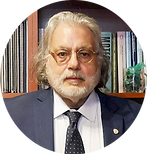
Alejandro Toro-Labbé
Pontificia Universidad Católica, Santiago, Chile
Prof. Alejandro Toro‑Labbé is Emeritus Professor of Chemistry at the Pontificia Universidad Católica de Chile and one of the most influential theoretical and computational chemists in Latin America. He obtained his Licenciatura en Química from the Universidad de Chile and later his Doctorat d’État in Physical Sciences from Université Pierre et Marie Curie (Paris VI), developing a career devoted to quantum computational chemistry, chemical reactivity theory and conceptual density functional theory. Internationally recognised for his pioneering contributions to reaction force analysis and reactivity indices within conceptual DFT, he has provided powerful tools for understanding mechanisms, selectivity and dynamics in a wide variety of chemical processes.
Author of more than 250 scientific publications and several influential book chapters and edited volumes, Prof. Toro‑Labbé has led over 30 research projects, including the Núcleo Milenio on Chemical Processes and Catalysis, and has played a central role in consolidating the Chilean theoretical chemistry community. He has served as Head of the Department of Physical Chemistry, Director of Research and Graduate Studies, and Dean of the Faculty of Chemistry and Pharmacy at UC, and in 2025 he was named Professor Emeritus in recognition of his scientific excellence and academic leadership.

Manuel Yáñez
Universidad Autónoma de Madrid, Spain
Prof. Manuel Yáñez, Emeritus Professor at the Universidad Autónoma de Madrid (UAM), is one of the most distinguished figures in Spanish and international theoretical and computational chemistry. He obtained his degree in Chemistry from the Universidad de Santiago de Compostela in 1970 with a Special Distinction Award and also received the Spanish National End‑of‑Degree Award. In 1973, he completed his Ph.D. at UAM with an Extraordinary Doctorate Award, and shortly thereafter carried out postdoctoral research at Carnegie Mellon University (1974–1976) under the supervision of John Pople (Nobel Prize in Chemistry, 1998). His scientific excellence has been recognised with numerous honours, including the Research Award of the UAM Foundation, the Research Award of the Real Sociedad Española de Química, and the Bettancourt‑Perronet Prize from the French Government.
Prof. Yáñez was appointed Full Member of the Real Academia de Ciencias Exactas, Físicas y Naturales in 2015, received an Honorary Doctorate from the Universidad del País Vasco in 2017, and the Distinguished Career Award of the Real Sociedad Española de Química in 2018. In 2024, the Division of Computational and Theoretical Chemistry of the European Chemical Society (DCTC–EuChemS) honoured him with its Lifetime Achievement Award. Author of more than 500 scientific papers and over 20 book chapters, he has also played a key role in community building, having organised numerous high‑level scientific events such as Summer Schools, Workshops, Symposia, and, notably, WATOC‑2011 in Santiago de Compostela, the world’s most important congress in theoretical and computational chemistry.
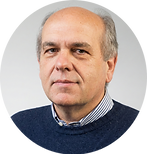
António Varandas
Universidade de Vitória, Brazil
Qufu Normal University, Qufu, China
Prof. A. J. C. Varandas is a leading figure in theoretical chemistry, internationally recognised for his work on molecular potential energy functions, reaction dynamics and ro‑vibrational spectroscopy. He received his diploma in Chemical Engineering from the University of Porto (1971) and a Ph.D. in Theoretical Chemistry from the University of Sussex (1976) under the supervision of John N. Murrell. Full Professor at the Department of Chemistry of the University of Coimbra since 1988, he also holds distinguished positions as Distinguished Professor at Qufu Normal University (China) and Professor at the Universidade Federal do Espírito Santo (Brazil). His scientific standing is reflected in his election as Corresponding Member (2006) and later Effective Member (2020) of the Academia de Ciências de Lisboa, as well as his appointment to the EU Academy of Sciences (2014). With an h‑index of about 60 and over 490 publications, he co‑authored the first monograph on molecular potential energy functions (Wiley, 1984) and has authored additional books in Portuguese, receiving major distinctions such as the Artur Malheiros Prize (1985), the Ferreira da Silva Prize (2001) and the “Stimulus to Excellence” Prize of the Portuguese Ministry of Science (2004), together with international honours including the Shandong Provincial Distinguished Foreign Expert title (2018).
Prof. Varandas has supervised more than 40 Ph.D. students and serves on the editorial board of the Journal of Theoretical and Computational Chemistry (now Journal of Computational Biophysics & Chemistry), where he frequently acts as Editor. His research spans from the development of accurate potential energy surfaces and the treatment of non‑adiabatic effects in ro‑vibrational spectroscopy and reaction dynamics to applications in combustion chemistry and planetary atmospheres. Most recently, he has proposed a quasi‑molecule theory aimed at describing key properties of large molecules and materials that remain beyond the reach of current computational capabilities, further extending the frontier of theoretical and computational chemistry.
PLENARY SPEAKERS

G. Andrés-Cisneros
University of Texas, Dallas USA
Prof. G. Andrés Cisneros is Department Head and Professor of Physics, and Professor of Chemistry and Biochemistry at the University of Texas at Dallas. He received his B.Sc. in Chemistry from the National Autonomous University of México (UNAM) in 1999 and his Ph.D. in Chemistry from Duke University in 2004, followed by an intramural postdoctoral fellowship (IRTA) at the National Institute of Environmental Health Sciences (NIEHS) from 2004 to 2009. He began his independent career as an Assistant Professor in the Department of Chemistry at Wayne State University in 2009, where he was also a scientific member of the Barbara Ann Karmanos Cancer Institute, before moving to North Texas and then to UTD.
His research focuses on the development of methods for classical and hybrid quantum/classical simulations, including polarizable force fields and advanced QM/MM schemes, and their application to proteins, ionic liquids and DNA modifying enzymes implicated in cancer and other diseases. Prof. Cisneros is the author of more than 140 peer reviewed publications and has received multiple awards and honours, including the OpenEye Scientific Software Outstanding Junior Faculty Award and the Dell Intel Young Investigator Award (2014), an Excellence in Teaching Award from Wayne State (2015), a Distinguished Visiting Professorship from the Mexican Academy of Sciences (2018), the SACNAS Outstanding Hispanic Student Mentor Award (2020) and election as Fellow of the Royal Society of Chemistry (2025). His group is supported by grants from NIH, NSF, Microsoft’s AI for Good initiative and the NVIDIA Foundation, and he has served on numerous review panels, including as charter member of the MSFA study section at CSR/NIH and as member of the NSF Chemistry Division Committee of Visitors.

Marc Baaden
IBPC, Paris, France
Prof. Marc Baaden is a CNRS Research Director and head of the Laboratoire de Biochimie Théorique (LBT, CNRS UPR 9080) at the Institut de Biologie Physico Chimique in Paris. A theoretical chemist working at the interface of chemistry, biology and computer science, he is internationally recognised for pioneering interactive and immersive approaches to molecular modelling, combining molecular dynamics simulations, high performance computing and cutting edge visualization technologies.
His group develops novel frameworks for visual analytics, virtual reality and serious games applied to large biomolecular systems, membrane proteins and enzymes, making it possible for scientists and citizens alike to explore complex molecular worlds in real time. Prof. Baaden is the creator of the UnityMol platform and co author of highly cited work on GPU accelerated molecular graphics and interactive molecular dynamics, and he plays a leading role in international efforts to turn massive molecular simulation data into clear, intuitive insight.

Benoît Champagne
Université de Namur, Belgique
Prof. Benoît Champagne is Professor of Theoretical Chemistry at UNamur, where he develops and applies advanced quantum chemical methods to problems in linear and nonlinear optics, polymer quantum chemistry, vibrational spectroscopy and materials science. His recent work has addressed higher order nonlinear optical responses (second , third and beyond) of molecular switches, chiral systems, diradicals, fluorescent proteins, air–liquid interfaces and molecular crystals, as well as optical phenomena such as thermochromism and thermally activated delayed fluorescence, and electrochemical processes at electrodes.
More recently, he has opened a new research line dedicated to the prediction of reaction mechanisms, thermodynamics and kinetics (including cycloadditions, frustrated Lewis pairs and doped amorphous silica), bridging materials science and life sciences through an interdisciplinary approach where theory goes hand in hand with synthesis and experimental/spectroscopic characterization. In addition to his scientific work, Prof. Champagne is actively involved in managing high performance computing resources at UNamur and within the Fédération Wallonie Bruxelles, and since September 2025 he has been serving as Vice Rector for Research at UNamur.

Ilaria Ciofini
CNRS Chimie ParisTech France
Prof. Ilaria Ciofini is CNRS Research Director at Chimie ParisTech – PSL, where she leads the Chemical Theory and Modelling (CTM) group within the Institute of Chemistry for Life and Health Sciences (i CLeHS). Her research focuses on the development and application of density functional and excited state methods to understand and design functional molecular and hybrid systems, with particular emphasis on photophysical and photochemical phenomena relevant to solar energy conversion, light emitting devices and bio related applications.
She has made important contributions to the simulation of excited states, spin crossover and electron transfer processes, and to the creation of intuitive density based tools for predicting and interpreting the optical behaviour of complex systems. Prof. Ciofini has authored highly cited work in theoretical and computational chemistry, is actively involved in major international collaborations, and currently serves as Vice President for Research at Chimie ParisTech – PSL.

Vlad Cojocaru
Babeș-Bolyai University, Cluj-Napoca, România
Born in the city of Arad, Romania, Vlad Cojocaru obtained his PhD at the University of Goettingen/Max Planck Institute (MPI) for Multidisciplinary Sciences in 2005. During his PhD, he discovered mechanisms of protein-induced RNA folding. In 2005, he joined the Heidelberg Institute for Theoretical Studies with a fellowship of the Klaus-Tschira Foundation, where he discovered how drug-metabolizing enzymes embed in lipid membranes and channel drug molecules. In 2011, he became a project leader at the MPI for Molecular Biomedicine in Muenster (Germany) following the award of a research grant by the German Research Foundation, where he began investigating the mechanisms by which the master regulators of stem cell pluripotency recognize DNA regulatory elements. In 2017, he received his Habilitation in Theoretical Chemistry at the University of Muenster (Germany), and in 2018 he moved as a Hubrecht fellow group leader to the Hubrecht Institute in Utrecht (the Netherlands).
From 2022 to 2024, he was a senior scientist at Utrecht University. Since 2022, he has been a principal research scientist leading the research group “Computational Structural Biochemistry” at the STAR-UBB Institute of the Babes-Bolyai University (UBB), and since 2025 he has been the director of the Doctoral School for Integrative Biology.

Patrizia Calaminici
CINVESTAV, Ciudad de México México
Prof. Patrizia Calaminici is a theoretical chemist at the Chemistry Department of CINVESTAV in Mexico City, internationally recognised for her work on density functional theory and relativistic electronic structure methods. After doctoral and postdoctoral training in Germany, including a postdoc in theoretical chemistry at the University of Hannover, she has built a research programme focused on the accurate description of systems containing transition metals and heavy elements, as well as on method development for large and complex molecular and nanoscale systems.
Her research interests span ab initio Born–Oppenheimer molecular dynamics, temperature dependent properties of finite systems, the theoretical design of nanocatalysts, metal and transition metal clusters, endohedral and large fullerenes, and biologically relevant systems. Prof. Calaminici has made key contributions to regionalized and auxiliary DFT schemes that enable efficient and accurate relativistic calculations on large systems with heavy elements, and she is an active member of the deMon developers community, co authoring numerous highly cited works in relativistic and density functional methodology.

Pablo Dans
Institut Pasteur de Montevideo Uruguay
Prof. Pablo D. Dans is a computational chemist and biophysicist, Full Professor and Head of the Computational Biophysics Group at Universidad de la República (Uruguay) and Associate Researcher at the Institut Pasteur de Montevideo. His research spans computational chemistry, structural bioinformatics and multiscale modelling, with a strong focus on nucleic acids across scales—from atomistic force fields and coarse grained models to mesoscale descriptions of chromatin and nuclear organisation. His work has been published in leading journals such as PNAS, Nature Communications, Nature Structural & Molecular Biology, Journal of Chemical Theory and Computation and Nucleic Acids Research, accumulating on the order of 500 citations per year in recent years.
A long standing member of the QUITEL community since QUITEL 1998 (Puebla), Prof. Dans has participated in many editions (including Caxambu, Porto, La Habana, Anglet and others) and has twice served on the organising committee in Montevideo (QUITEL 2002 and 2023). In recent work he co developed ModXNA, a QM fragment workflow for the automated parametrisation of modified nucleic acid residues for AMBER type force fields, and in his QUITEL 49 plenary lecture he will introduce GeeMELD, a framework that leverages circular dichroism data and G quadruplex pairing rules to guide folding using MELD simulations (Modeling Employing Limited Data), showing how this integrative strategy can outperform recent AI based structure prediction methods such as AlphaFold 3 class approaches.

Carmen Domene
University of Bath, United Kingdom
Prof. Carmen Domene is a Professor of Chemistry at the University of Bath, where she leads a research programme in computational biophysics and chemistry focused on biological systems, in particular membrane proteins and ion channels. Using a broad toolkit that spans quantum chemistry, classical and ab initio molecular dynamics, enhanced sampling and statistical mechanics, her group develops and applies simulation methods to understand the structure, dynamics and function of biomolecules at atomic resolution.
Her work has provided fundamental insights into the molecular mechanisms of ion permeation and gating in potassium and sodium channels and other integral membrane proteins, helping connect atomic scale events to physiology and disease. Prof. Domene is the editor of the RSC volume “Computational Biophysics of Membrane Proteins” and has been recognised with major distinctions including the 2020 Loew Award of the International Society of Quantum Biology and Pharmacology and the 2023 Royal Society of Chemistry Corday Morgan Prize for her contributions to computational studies of biological processes.

Célia Fonseca-Guerra
Vrije Universiteit Amsterdam, Netherlands
Prof. Célia Fonseca Guerra holds the Chair in Supramolecular Quantum Biochemistry at Vrije Universiteit Amsterdam, where her research advances chemical bonding theory—particularly within Kohn–Sham molecular orbital theory—to unravel the weak interactions that drive self‑assembly in biological and supramolecular systems. Alongside her research, she is deeply committed to teaching and academic leadership, currently serving as program director of the Master’s in Chemistry in Amsterdam.
Her scientific and educational contributions have been recognised with numerous distinctions, including the ECHO Award from NWO (2014), the NWO Aspasia Prize (2012), a European Visiting Professorship at the Warsaw University of Technology (2013), and the Westerdijk Talent Scheme (2018), and since 2021 she has been a Chemistry Europe Fellow. Prof. Fonseca Guerra has also played a key role in shaping theoretical chemistry in the Netherlands as co‑founder and former secretary of the Division of Computational and Theoretical Chemistry of the Royal Netherlands Chemical Society (KNCV), and co‑founder and former board member of the national Dutch Chemistry Council.
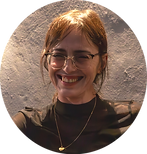
Annia Galano
UAM, Iztapalapa, México
Prof. Annia Galano is Full Professor at the Universidad Autónoma Metropolitana, Iztapalapa (Mexico), and a world leading expert in computational antioxidant and drug design chemistry. With more than 230 indexed publications, over 19,500 citations and an h index of 69, she has been ranked among the most cited chemists in Mexico (AD Scientific Index) and listed as the third best scientist in chemistry in the country by Research.com, as well as a Highly Cited Researcher (Clarivate) in 2021 and 2022. Her work focuses on oxidative stress, antioxidants, atmospheric chemistry and rational drug design, and she is the driving force behind CADMA Chem (Computer Assisted Design of Multifunctional Antioxidants, based on chemical properties), a comprehensive computational protocol to design multifunctional oral drug candidates for multifactorial diseases such as neurodegenerative disorders.
Prof. Galano plays a central role in the international theoretical and computational chemistry community as reviewer for more than 60 journals (including JACS and Angewandte Chemie), member of the editorial boards of Computational and Theoretical Chemistry, Theoretical Chemistry Accounts, Melatonin Research and Antioxidants, former Academic Secretary of the National Committee of the Mexican Chemical Society (2019–2023), and elected member of the WATOC Board since 2017. She has supervised numerous Bachelor, Master, PhD and postdoctoral researchers and leads several national and international research projects, pushing forward the use of quantum chemistry and property based selection scores to discover tailored, multifunctional antioxidants and neuroprotective agents.

Sérgio M. Marques
Loschmidt Laboratories, Brno, Czech Republic
Dr. Sérgio M. Marques obtained his Ph.D. in Chemistry in 2007 from the University of Lisbon (Portugal). After his doctorate, he carried out postdoctoral work at the University of Lisbon and the University of Pisa, where he combined design, synthesis and molecular modelling to develop multifunctional agents targeting Alzheimer’s disease and cancer. From 2014 to 2016, he held a prestigious Marie Skłodowska Curie fellowship at Masaryk University (Czech Republic), focusing on the in silico analysis and engineering of molecular tunnels and gates in proteins.
He is currently a senior researcher at the Loschmidt Laboratories, part of Masaryk University and the International Clinical Research Center (FNUSA ICRC) in Brno, where his main interests lie in the computational study and modelling of enzymatic systems, aiming to improve their activity and stability for biotechnological applications. Originally trained as an experimental chemist and biochemist, he has devoted the last 12 years exclusively to computational biology. Dr. Marques has co authored 74 articles, 1 book chapter and 2 patents, and has an h index of 28, reflecting his growing impact at the interface of chemistry, enzymology and biomolecular engineering.

Tiziana Marino
Università della Calabria, Italia
Prof. Tiziana Marino is Full Professor of Inorganic Chemistry in the Department of Chemistry and Chemical Technology at the University of Calabria (UNICAL), where she leads research in theoretical and computational inorganic chemistry with strong links to experiment. Since completing her PhD in Chemical Sciences in 1996 under Prof. Nino Russo, she has built a distinguished academic career at UNICAL, progressing from Assistant Professor (2005) to Associate Professor (2014) and Full Professor (2022), while supervising numerous theses and PhD projects across chemistry, biotechnology and pharmaceutical sciences.
Her research, carried out within the PROMOCS group, focuses on integrated computational strategies (classical/quantum/statistical methods) to understand reaction mechanisms in natural and artificial enzyme systems, enzyme inhibition and rational drug design, biomimetic systems and functional materials, metal complexes for anticancer and photodynamic therapy, antioxidant mechanisms, and interactions between biological molecules and metal ions. Author of more than 165 publications (h index 35, >4700 citations), she has played prominent service roles: former member of the Italian National University Council (CUN) for chemical sciences, President of the Calabria Section of the Italian Chemical Society (2020–2023), DCTC coordinator for internationalization and Erasmus, member of the CECAM It Simul node, national evaluator (VQR 2020–2024), and reviewer for major journals and funding agencies.

Gian Pietro Miscione
Universidad de los Andes Bogotá, Colombia
Prof. Gian Pietro Miscione is an Associate Professor in the Department of Chemistry at Universidad de los Andes (Bogotá, Colombia), and a long standing researcher in theoretical and computational organic chemistry. Trained and based for many years at the University of Bologna as a researcher in theoretical and computational organic chemistry, he has developed a rich research programme using quantum chemistry, DFT, QM/MM and molecular dynamics to unravel reaction mechanisms in organometallic catalysis, asymmetric synthesis and enzymatic systems.
His work has provided detailed mechanistic insights into gold catalysed and palladium catalysed transformations, Ziegler–Natta polymerisation, carbonic anhydrase and other metalloenzymes, often in close collaboration with experimental groups. Prof. Miscione has authored numerous highly cited studies in leading journals, and his interests span from homogeneous catalysis and stereoselective reactions to computational biochemistry and drug discovery, making him a key figure at the interface between organic reactivity and modern computational modelling.

Vicent Moliner
Universitat Jaume I, Castelló, España
Prof. Vicent Moliner is Full Professor of Physical Chemistry at Universitat Jaume I (Castellón, Spain), a position he has held since 2009, where he leads the BioComp group devoted to the computational study of catalysis in biological systems. He obtained his degree in Chemistry from the University of Valencia in 1988 and his PhD from Universitat Jaume I in 1993, followed by a postdoctoral stay with Prof. I. H. Williams at the University of Bath (1996–1997), where he contributed to the development of hybrid QM/MM methodologies for locating and characterizing transition states in large, flexible molecular systems.
After several visiting professorships, including Łódź University of Technology (2009–2010) and the University of Bath (2017, David Parkin Visiting Professor), his research has focused on developing and applying advanced QM/MM methods to enzymatic reactions, with particular emphasis on the rational design of biocatalysts for polymer recycling and enzymatic inhibitors relevant to human health. He has published more than 240 peer reviewed articles and nine book chapters, supervised 19 Master’s theses and 15 PhD dissertations, and currently serves on the Advisory Board of Chemical Science. His achievements have been recognised with the 2019 Excellence in Research Award from the Spanish Royal Society of Chemistry and the 2025 Research Award of Universitat Jaume I.

Margot Paulino
Faculty of Engineering, Universidad de Montevideo, Uruguay
Faculty of Chemistry, UdelaR, Montevideo, Uruguay
Prof. Margot Paulino Zunini is Full Professor of Bioinformatics at the Facultad de Química, Universidad de la República (Uruguay), where she leads the Bioinformatics Area at DETEMA and is a member of PEDECIBA Química and the national SNI (Level I). Trained as a Pharmaceutical Chemist and PhD in Chemistry at Udelar, her early work under Prof. Andrés O. M. Stoppani (Universidad de Buenos Aires) and during doctoral and postdoctoral stays with Prof. Orlando Tapia at Uppsala University laid the foundations for the bioinformatics programme she now directs. Her PhD thesis on structure–activity relationships of nitro heterocyclic trypanocidal compounds initiated a long term research line in the design of bioactive molecules for neglected tropical diseases, which has since expanded to a broader portfolio of drug discovery projects.
Her group combines chemoinformatics, molecular modelling, biomolecular simulations, artificial intelligence and experimental chemical and biochemical approaches to design and study bioactive compounds, including synthetic molecules and natural products such as propolis and wine residue derived agents. Prof. Paulino has been instrumental in building the Uruguayan bioinformatics community, contributing to the creation and consolidation of a national Master’s in Bioinformatics and to the development of new BSc and PhD programmes in the field, while training numerous students who have gone on to scientific and professional careers. Her work and leadership sit at the intersection of bioinformatics, medicinal chemistry and life sciences, driving innovation in therapies for neglected diseases and in the valorisation of natural products.
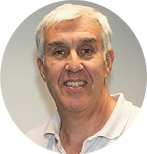
Julio Sambrano
UNESP, São Paulo, Brasil
Prof. Dr. Julio Ricardo Sambrano is Professor at São Paulo State University (UNESP), where he leads the Molecular Modelling and Simulation Group in the Department of Mathematics at the Bauru campus. His research focuses on first principles and atomistic simulations of functional materials, using advanced density functional theory to investigate bulk solids, defects, exposed surfaces, interfaces and nanostructured oxides relevant for photocatalysis, electronics and energy applications.
Author of more than 200 peer reviewed publications with over 5,000 citations and an h index above 35, Prof. Sambrano is recognised as one of UNESP’s leading scientists in computational materials science. He is a CNPq Research Productivity Fellow and an active member of major Brazilian research networks such as the Center for the Development of Functional Materials (CDMF), frequently collaborating with experimental groups to guide the design and characterisation of new functional materials.

Bernardo de Souza
FAccTs GmbH, Germany
Dr. Bernardo de Souza is Senior Scientist at FAccTS GmbH in Cologne, where he develops quantum chemistry and molecular physics methods that bring high level theory “out of the box and into the world” for Pharma, Agro and Materials applications. Working at the intersection of electronic structure theory, machine learning and high performance computing, he is part of the ORCA development team and designs new algorithms and software that make accurate quantum calculations scalable and practically useful for industrial R&D.
His research covers excited state and photophysical properties, phosphorescence rates and spectra, and the prediction of optical behaviour of organic and hybrid functional materials, where his methods help explain and predict phenomena such as room temperature phosphorescence and long lived triplet states. Dr. de Souza obtained his PhD in Chemistry from the Universidade Federal de Santa Catarina and has held prestigious fellowships including a CAPES–Humboldt Research Fellowship in Germany, building a strong track record of collaboration between academia, software development and industry.

Ramon Miranda-Quintana
University of Florida USA
Ramon Alain Miranda-Quintana majored in Radiochemistry in the Higher Institute of Technologies and Applied Sciences in 2011 and obtained his Ph.D. in Chemistry from the University of Havana (2017). After a research appointment at McMaster University, he won a York Science Fellowship to work in York University as a Postdoctoral Scholar (where he won the 2019 Polanyi Prize in Chemistry). He then joined the Department of Chemistry at the University of Florida as an Assistant Professor in 2020, where he is also a member of the Quantum Theory Project.
His research interests include the development of ab initio electronic structure methods to study strongly correlated systems, understanding how charge and spin transfer processes shape chemical reactivity and solvation processes, and developing efficient similarity-based tools for data science applications in chemistry and biomedical sciences. At UF he was won an Oak Ridge Ralph E. Powe Junior Faculty Enhancement Award, the OpenEye Cadence Molecular Sciences Outstanding Junior Faculty Award in Computational Chemistry, and NIH R35 and NSF CAREER grants.

Gabriel Merino
Mérida, Yucatán, México
Prof. Gabriel Merino is a leading theoretical chemist at the Departamento de Física Aplicada of the Centro de Investigación y de Estudios Avanzados (CINVESTAV), Unidad Mérida (México), where he leads a research programme dedicated to the prediction and understanding of molecules with unconventional bonding and topology. His group exploits modern computational chemistry tools to explore systems that challenge classical valence concepts, with a special focus on 𝐩𝐥𝐚𝐧𝐚𝐫 𝐡𝐲𝐩𝐞𝐫𝐜𝐨𝐨𝐫𝐝𝐢𝐧𝐚𝐭𝐞 𝐚𝐭𝐨𝐦𝐬, multiple bonds under extreme conditions, endohedral complexes, dimetallocenes and complex materials.
Over the past two decades, Prof. Merino has become one of the central figures in the field of planar hypercoordination, contributing seminal work on planar tetracoordinate carbon and other main‑group elements, as well as on the design principles that stabilise hypercoordinate motifs in [4n+2] π‑systems and related aromatic frameworks. His publications span fundamental bonding analysis, aromaticity and electron delocalization through to the proposal of new classes of clusters such as planar pentacoordinate s‑block metals and planar hypercoordinate superhalogens, helping to redefine the limits of coordination and geometry in main‑group chemistry.